Catch small measurement errors before cutting
Two pieces can share the same written measurement and still fail to fit. Trace the mismatch before cutting another set.
A mismatch can have several small causes
A lid fits too tightly even though the numbers on your note look correct. Before cutting another one, place the actual pieces side by side and measure what you made. A broad pencil line, an angled scissor cut and an overlooked material thickness can add up to a visible difference.
Change one variable first. If you enlarge the blank, move the fold and switch cardstock at the same time, you will not know which change helped. Comparing one deliberate adjustment with the original sample makes the next decision easier.
Separate finished size from cutting size
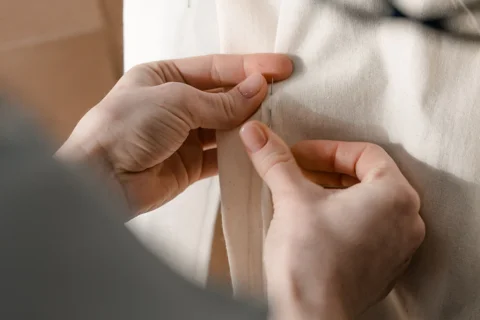
In sewing, the finished dimensions are not automatically the dimensions to cut. Seam allowances disappear into the join, and a double-fold hem needs more fabric than a single turn. Write down whether allowances are included. A bare note reading “8 × 12” can be surprisingly unclear a week later.
Paper folds do not use seam allowances, but stock thickness affects closely fitting shapes. A lid that works in thin practice paper can be too tight in firm cardstock. Make the final prototype in the intended material before starting a batch.
Record the units as well. A project can be planned in inches or centimeters; trouble comes from rounding a few conversions along the way and mixing the two systems. Convert related dimensions together or keep using the original scale throughout the construction.
A drawn line takes up space
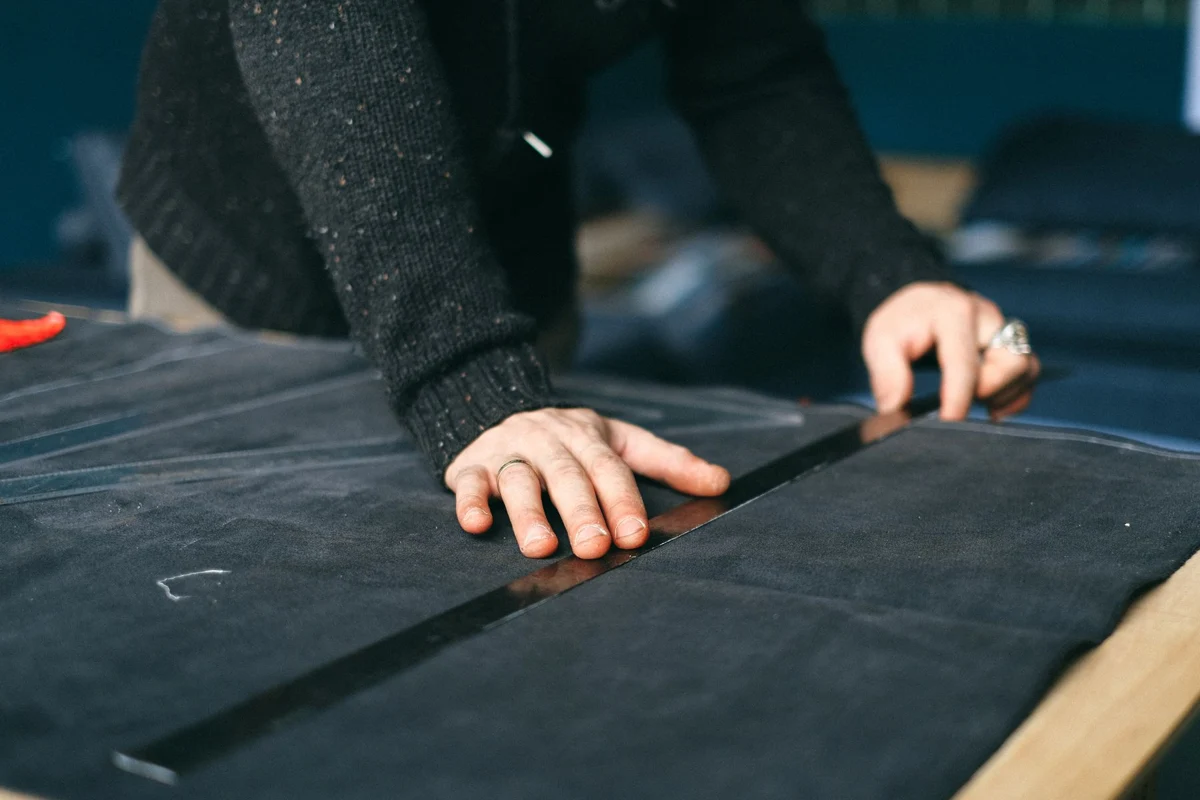
A soft pencil can leave a wide mark. Decide which side of that mark belongs to the finished piece. For repeated shapes, one master template is often more consistent than tracing each new piece from the one you just cut. Successive tracing can carry small errors forward.
Check the corners as well as the side lengths. A shape can have plausible measured edges and still be skewed. For a rectangle, compare the diagonals as an additional check. Unequal diagonals, when the sides otherwise match the plan, suggest the layout needs squaring.
Measure fabric while it is flat but unstretched. Soft or elastic materials may change length as soon as you release them. Let freshly pressed fabric cool and settle before marking it.
Keep an unsuccessful prototype long enough to write the cause on it. “No clearance in lid” or “hem allowance missing” is more useful than simply marking it wrong. The flawed object does not need permanent storage, but its corrected measurement belongs with the pattern so the same problem does not return on the next attempt.