Set up drying space for small pieces
Prepare a drying area before opening the glue or paint so wet pieces do not end up among the tools.
Allocate the space before using the materials
Small tags are quick to paint but still need somewhere to rest untouched. Searching for a location while the first surface is already wet makes fingerprints and stuck-together pieces more likely. Choose the drying area before beginning.
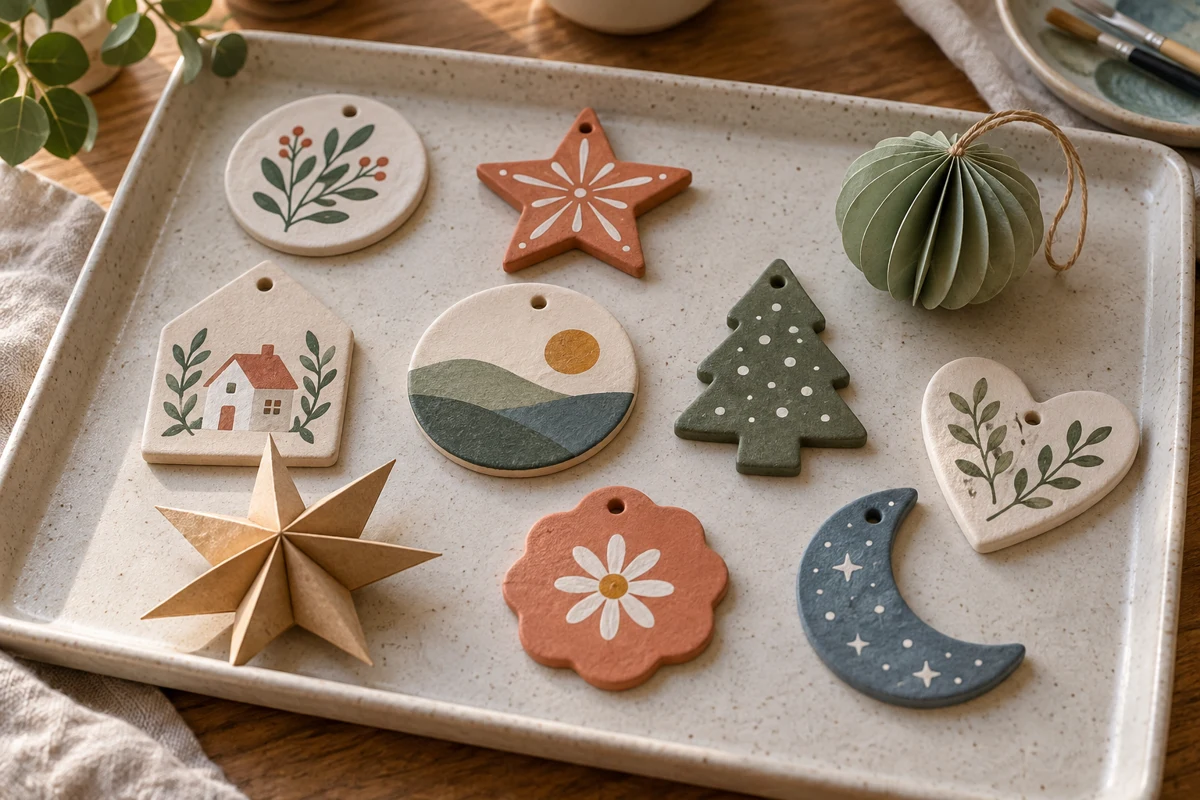
It should be level, stable and outside normal traffic or household drop-off spots. A tray can keep small parts together, provided it supports the load without flexing. Leave enough space between pieces that their edges cannot meet.
The support surface is part of the material choice
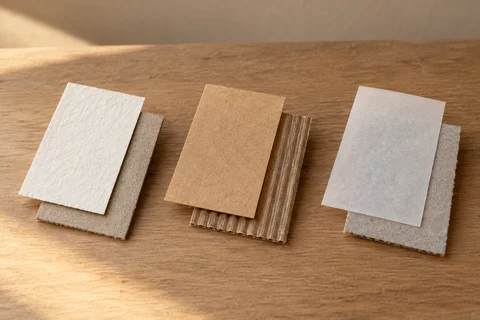
Not every plastic sheet or paper makes a suitable release layer. Wet glue can adhere to it; paint can pick up color or texture. Try the intended combination on a scrap. A smooth-looking plastic surface is not automatically compatible with every product.
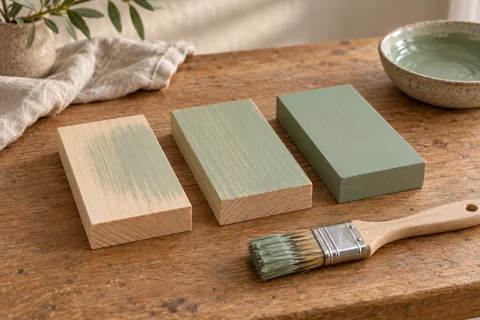
Flat paper work needs different support from a three-dimensional shape. A glued sheet may require suitable even pressure, while a freshly painted object must not touch anything on its visible face. Arrange support around the object's needs and product instructions.
Air-dry modeling material has its own requirements for circulation and turning. Do not add heat merely to reclaim the table unless the maker explicitly permits it. Surface-dry and dry throughout are different conditions.
Leave a small note
Put the product, time and next step beside a batch. This helps prevent recoating too soon when several layers are involved. A complicated spreadsheet is unnecessary; the note only needs to stop an impatient guess.
Keep pets, young children and loose dust away. Any cover must avoid touching the surface and allow the ventilation the product needs. Closing the pieces in a container can alter the drying process.
Move a tray only when its contents are stable. A sudden slide can push a row of wet pieces together. If the table will be needed later, plan a second location from the beginning instead of improvising a move.
Wait for the stated drying or curing period before storing the objects. When useful, check a separate sample instead of repeatedly touching the visible finish. Clean or replace the supporting layer afterward so old glue does not transfer unnoticed to the back of the next project.