Cut old cotton shirts into cleaning cloths
Soft shirt panels can become cleaning cloths when their fabric suits the surface and the task.
Assess fabric and printing separately
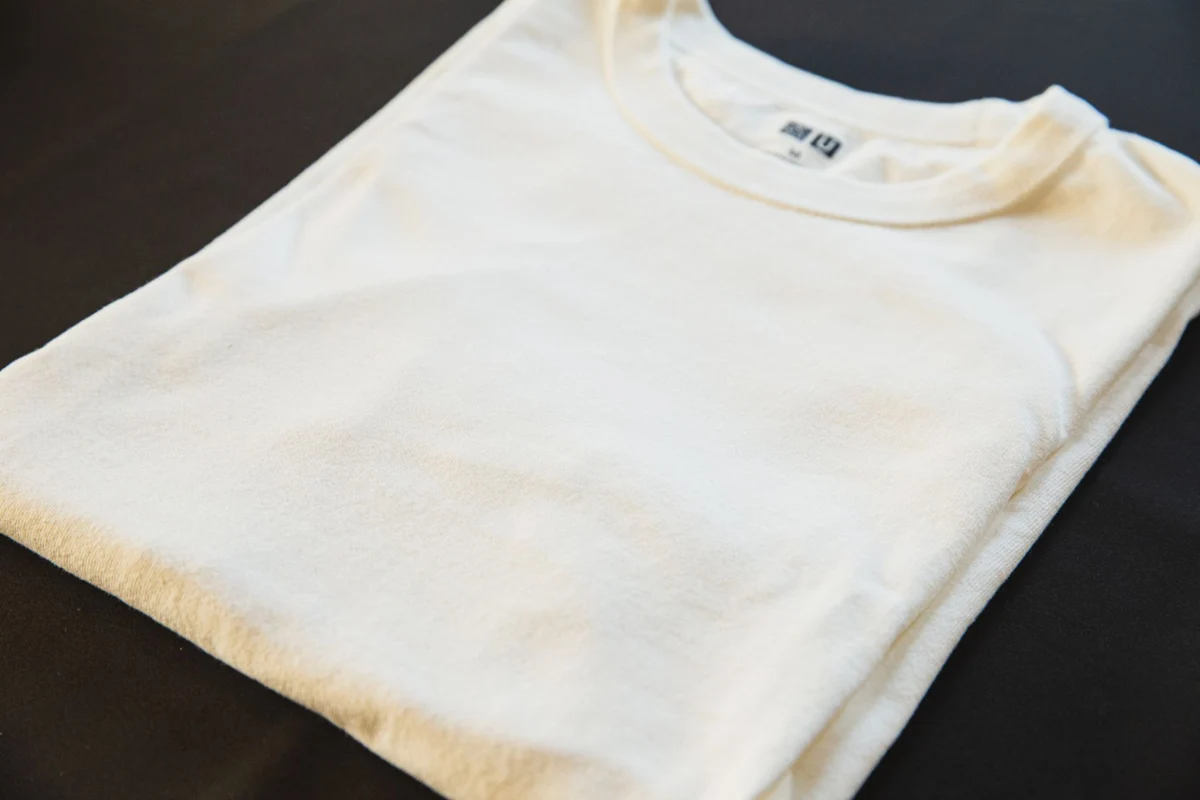
Choose a clean shirt that is not brittle, and read any available fiber label. Cotton behaves differently from a highly synthetic sports top, including how it absorbs moisture. Keep large plastic prints and stiff labels out of the wiping area. They can drag across delicate surfaces or distribute moisture unevenly.
Cut one trial piece from a plain area first. Dampen it slightly and test on an inconspicuous, durable surface for lint or color transfer. An old garment is not automatically suitable for screens, eyeglasses or delicate coatings. Follow the object's own care guidance for those uses.
Cut manageable pieces
Divide the body into rectangles that fold comfortably in your hand. Around 8 by 10 inches is useful for many small tasks, but adapt to the available panels. Remove thick side seams if they interfere with wiping. Jersey edges may curl, which is not necessarily a problem for an ordinary utility cloth.
Woven fabric frays differently from a knit, so inspect the actual edges after washing rather than treating every material the same. Finish or discard pieces that shed long threads or unravel. Very thin areas are rarely worth extensive preparation.
Make two sizes in the first small batch. A compact cloth reaches narrow areas, while a larger one folds to expose several clean faces. Try both in ordinary use before cutting more. This gives the remaining fabric a more deliberate destination. The edges need not be exact to a fraction of an inch, but long narrow tails and pronounced points make folding awkward. Trim those away without reducing every useful piece to one arbitrary standard size.
Separate use from clean storage
Assign different cloths to different areas, such as household work and workshop tasks. A small corner mark helps prevent confusion. Clean used cloths appropriately for their soil and material instructions, then dry them completely. Do not return damp bundles to a supply drawer.
Cloths contaminated with unidentified chemicals or substantial oily residue need suitable handling or disposal rather than being casually mixed with ordinary laundry. For routine dry dusting, a small accessible supply is enough. There is no need to cut the entire shirt immediately if a few pieces meet the need. The remaining panel may still suit another project, and a modest stock is easier to keep clean and distinguish from used cloths.